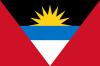
Antiguans claim to have a different beach for every day of the year and their island’s many beautiful soft, sandy beaches and coves certainly constitute its main attraction. This is where people come to relax and luxuriate in clear water that sparkles under hot sun. Low-lying and volcanic in origin, Antigua & Barbuda form part of the Leeward Islands group in the northeast Caribbean and have certainly adopted the notoriously ‘Caribbean’ way of life: this is a place to take things easy, to stroll around markets, gulp the fresh juices of coconuts and pineapple, and to meet friendly locals with plenty of anecdotes.
Unsurprisingly, Antigua & Barbuda’s way of life is governed by water, and any visitor will find that their stay is too. The ocean is crammed with crustaceans and tropical fish and offers huge scope for watersports. Those in-the-know will flock to Nelson’s Dockyard in the English Harbour, which is at the forefront of Antigua & Barbuda’s vast yachting and sailing scene.
Unlikely, but should you grow weary of Antigua & Barbuda’s nautically-themed activities, the area also abounds with colorful bird and insect life. Barbuda is an unspoiled natural haven for wild deer and exotic birds and boasts the Frigate Bird Sanctuary. There are also national parks and blow holes to discover, including, of course, the Devil’s Bridge, a natural phenomenon crafted by the colliding of Atlantic and Caribbean surf.
Antiguans are proud of their human history too, especially as it documents their release from colonization, slavery and sugar plantations. This keenness to remember emancipation is apparent as towns proudly proclaim names such as Liberta and Freetown. Dow’s Hill Interpretation Center ensures visitors are also aware of the economic problems that catapulted the independence movement during the 20th century. In recent years, leadership has been dogged with allegations of corruption, and parts of Antigua are still devastated by the legacy of Hurricane Louis in 1995.
However, you will not find many Antiguans brooding on such difficulties. Neither should any visitor: instead, they should relax beneath a brilliant Caribbean sunset whilst quaffing rum punch or ice-cold fruit juice. Shirley Heights is the epicenter of all nighttime activity. With amazing views of the ocean, local music and a sizzling barbeque, this is where you dance the night away. Just as St John’s Cathedral has had many incarnations over the years because of reconstruction, the persistent will find that Antigua & Barbuda has just as many incarnations as a destination.
Geography
Antigua & Barbuda comprises three islands; Antigua, Barbuda and Redonda. Low-lying and volcanic in origin, they are part of the Leeward Islands group in the northeast Caribbean. Antigua’s coastline curves into a multitude of coves and harbors (they were once volcanic craters) and there are more than 365 beaches of fine white sand, fringed with palms. The island’s highest point is Boggy Peak (402m, 1318ft); its capital is St John’s. Barbuda lies 40km (25 miles) north of Antigua and is an unspoiled natural haven for wild deer and exotic birds. Its 8km- (5 mile-) long beach is reputed to be among the most beautiful in the world. The island’s village capital, Codrington, was named after the Gloucestershire family that once leased Barbuda from the British Crown for the price of ’one fat pig per year if asked for’. There are excellent beaches and the ruins of some of the earliest plantations in the West Indies. The coastal waters are rich with all types of crustaceans and tropical fish. Redonda, the smallest in the group, is little more than an uninhabited rocky islet. It lies 40km (25 miles) southwest of Antigua.